Can I work remotely on a normal visit?
This is a grey area. Visa-free visits are meant for tourism, family visits, business meetings and similar short activities. Many people check emails or do a little remote work on holiday, but working remotely for long periods isn't clearly allowed, and rules differ between countries. GOV.UK has a guide to the rules for working in each EU country.
A digital nomad visa removes the doubt: it gives you permission to stay and work remotely, and days spent in that country under the visa don't count towards your 90/180 days.
What you'll usually need
- Proof that you work for an employer, or have clients, outside the country you're moving to
- A minimum monthly income, often a multiple of the local minimum wage. The amounts change often, so check the official site for current figures
- Private health insurance covering your stay
- A clean criminal record certificate (from ACRO in the UK)
- Proof of accommodation
- A passport valid for the length of your stay
Countries with a digital nomad visa
These countries had a digital nomad or remote worker visa at the time of writing. Follow each link to GOV.UK's guide to working in that country, which links to the official application pages.
| Country | What it offers |
|---|---|
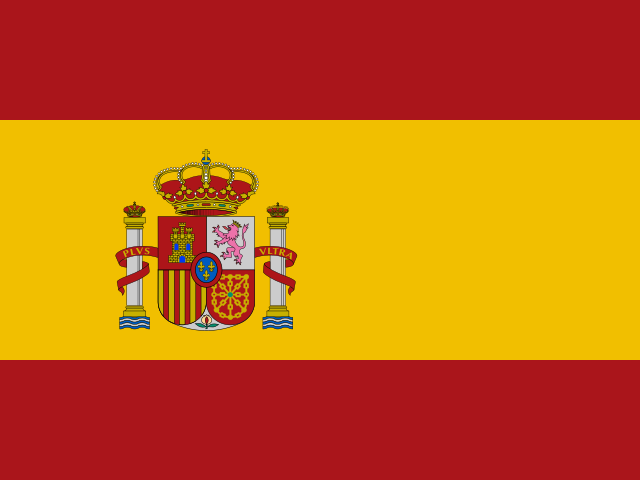 Spain |
International teleworking ("digital nomad") visa for people working remotely for companies or clients mostly outside Spain. Can lead to a longer residence permit. |
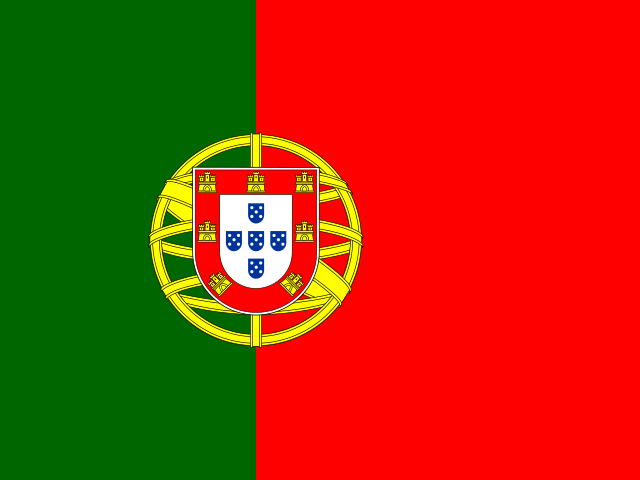 Portugal |
Remote work visa, available as a temporary stay visa or a residence visa leading to a residence card. |
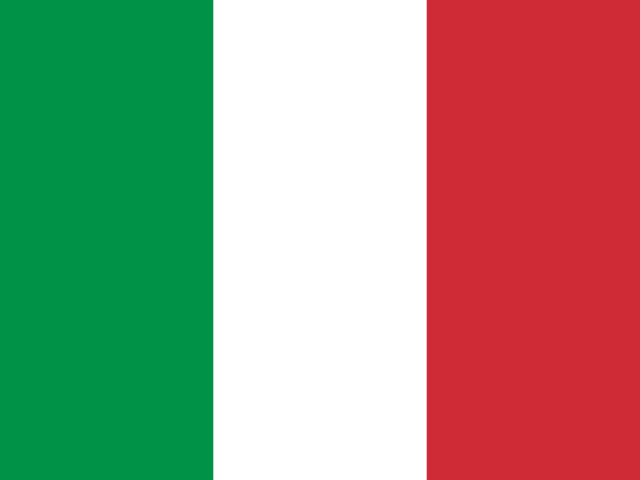 Italy |
Digital nomad / remote worker visa for highly skilled workers employed or contracted outside Italy. |
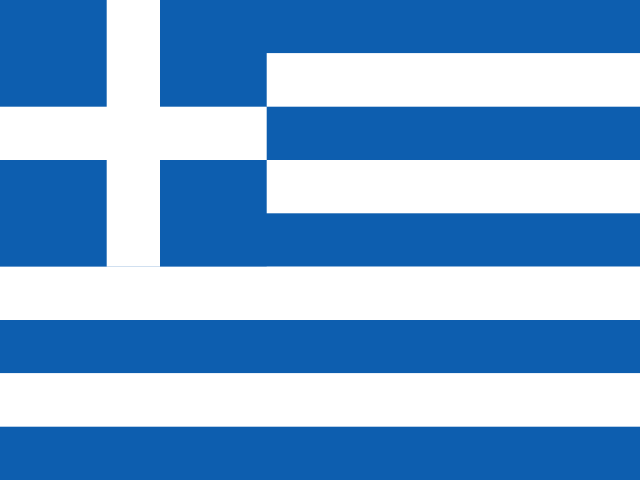 Greece |
Digital nomad visa and residence permit for people working for employers or clients outside Greece. |
 Croatia |
Temporary stay for digital nomads working for foreign employers or their own foreign-registered business. |
 Malta |
Nomad residence permit for remote workers employed by, or providing services to, companies outside Malta. |
 Estonia |
Digital nomad visa (short or long stay) for location-independent workers. |
 Cyprus |
Digital nomad visa for remote workers employed by companies outside Cyprus. |
 Hungary |
"White Card" residence permit for remote workers employed by companies outside Hungary. |
Cyprus isn't yet a full Schengen member, so a Cypriot visa only covers Cyprus. A visa from a Schengen country lets you visit the rest of the Schengen Area under the normal 90/180-day rule.
Tax and social security
Living abroad on a digital nomad visa can make you tax resident in that country, usually after about 183 days in a year. Some countries have special tax regimes for newcomers. You may also need to keep paying UK National Insurance or pay into the local system. Get professional advice before you go.
Planning shorter trips instead
If you only want a few months away, you might not need a visa at all. Use the calculator to plan stays within your 90 days, and see our worked examples for ideas, such as spending time in non-Schengen countries like Albania, Montenegro or Turkey while your Schengen days free up.
Official sources
Written November 2026. Rules change and this page is not regularly updated, so it may be out of date. Always check official sources before you travel. Read our disclaimer.